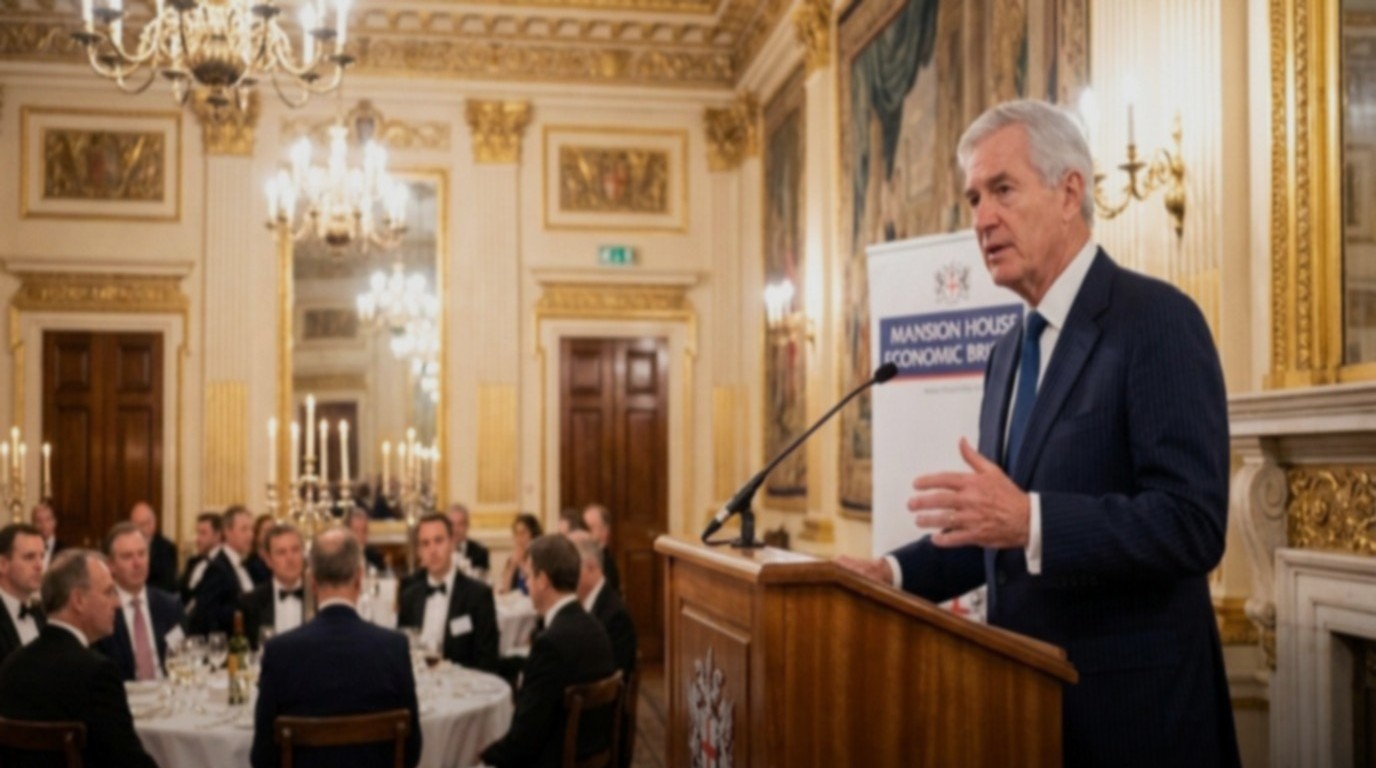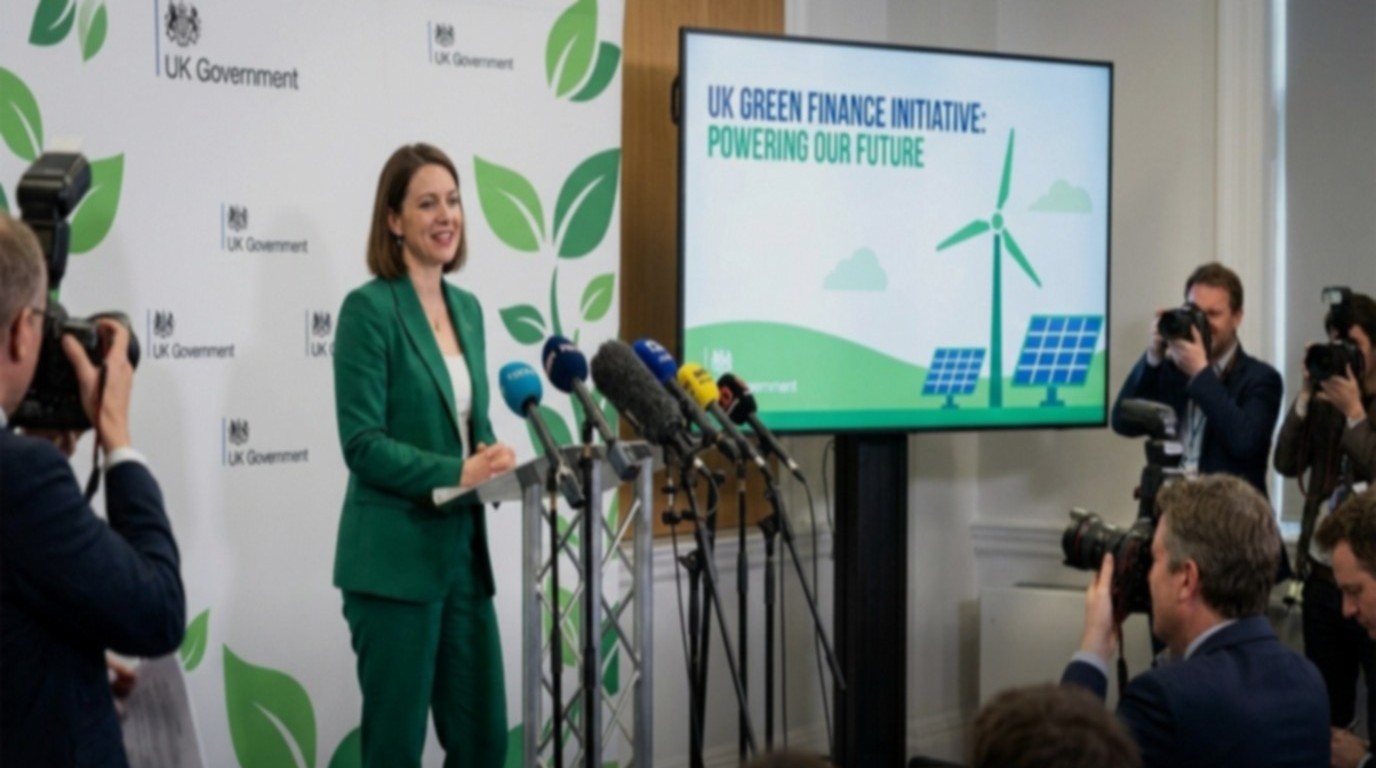
HM Treasury and the City of London Corporation jointly unveiled a £5bn fund — the UK Green Investment Partnership — at a packed City roundtable. The fund is designed to crowd in private capital for offshore wind, building retrofit and nature-based projects.
The UK Green Investment Partnership, formally launched at a City roundtable on Thursday, is one of the more interesting of the new government's financial initiatives: a £5bn seed commitment from the Treasury, designed to crowd in £50bn of private capital by 2030, focused on three sectors where the UK has a clear comparative advantage — offshore wind, building retrofit, and nature-based projects.
The Treasury's Green Finance Minister, who chaired the roundtable, said the partnership would "use the convening power of the City to align public and private capital behind the transition." The launch was attended by representatives of twenty-three asset owners and asset managers, including the largest UK pension schemes, the leading infrastructure platforms, and a number of the big US and European funds that have set up London desks in the last year.
How it will work
The partnership will be structured as a series of co-investment funds, each focused on a specific sector, with the Treasury providing cornerstone capital and taking a junior position. The first vehicle, focused on offshore wind, will be led by the UK Infrastructure Bank and is expected to hold a first close in the first quarter of 2026. Subsequent vehicles for retrofit and nature-based projects will follow in the second half of the year.
The Treasury has been clear that the partnership is not a grant programme. Returns are expected to be in line with conventional infrastructure — a 6 to 8 per cent IRR target, with the Treasury's junior position providing loss-absorption capacity that should allow the funds to invest in earlier-stage and more innovative projects than a purely private structure would support.
Why it matters
The launch is part of a broader push to position London as the leading global centre for green and transition finance, an ambition that the City of London Corporation has been pressing for at least a decade. The UK is currently the world's second-largest market for green bonds, behind only the United States, and is the largest in Europe. The new partnership is designed to extend that lead to the equity side of the capital structure, where UK volumes have lagged.
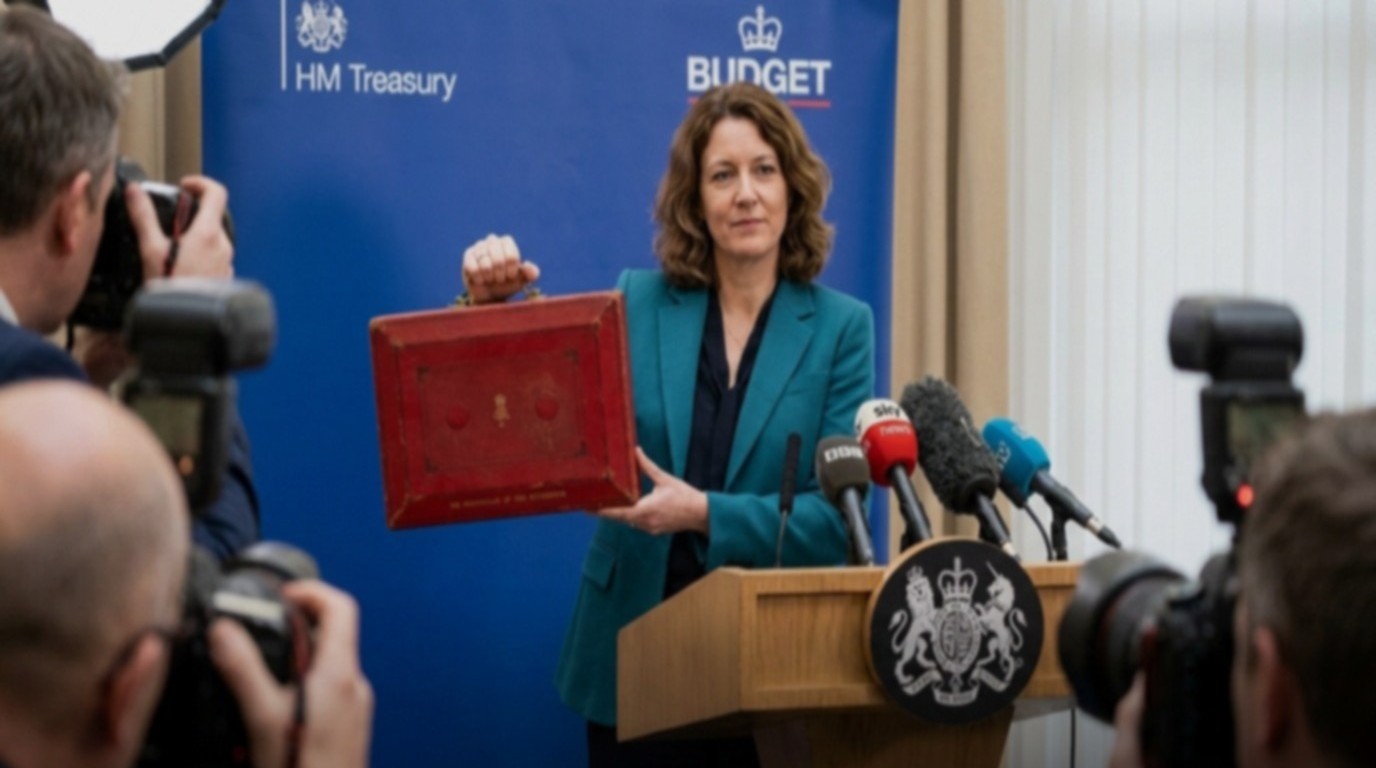
Officials in the Treasury have been at pains to stress that the partnership complements, rather than competes with, the National Wealth Fund and Great British Energy. The NWF, which was confirmed in the Chancellor's Budget, is focused on attracting private investment into UK growth assets; Great British Energy is a public clean-power company. The new partnership is, by contrast, an investment vehicle in its own right.
Reaction
Reaction in the City has been broadly positive, if not unalloyed. The Pensions and Lifetime Savings Association described the partnership as "a significant step forward" and said it would be writing to its members urging them to consider commitments. A number of asset managers, however, raised concerns about the level of disclosure and reporting that would be required, and about the bureaucratic complexity of dealing with a public sector anchor investor.
Both points are fair, and both are likely to be tested in the months ahead as the offshore wind fund moves from announcement to first close. The Treasury will be hoping that the early deals are smooth, the early returns visible, and the early commitments large enough to keep the City's attention. On the evidence of Thursday's roundtable, the appetite is there.